Blue Origin’s New Glenn Explosion and Launch Pad Damage

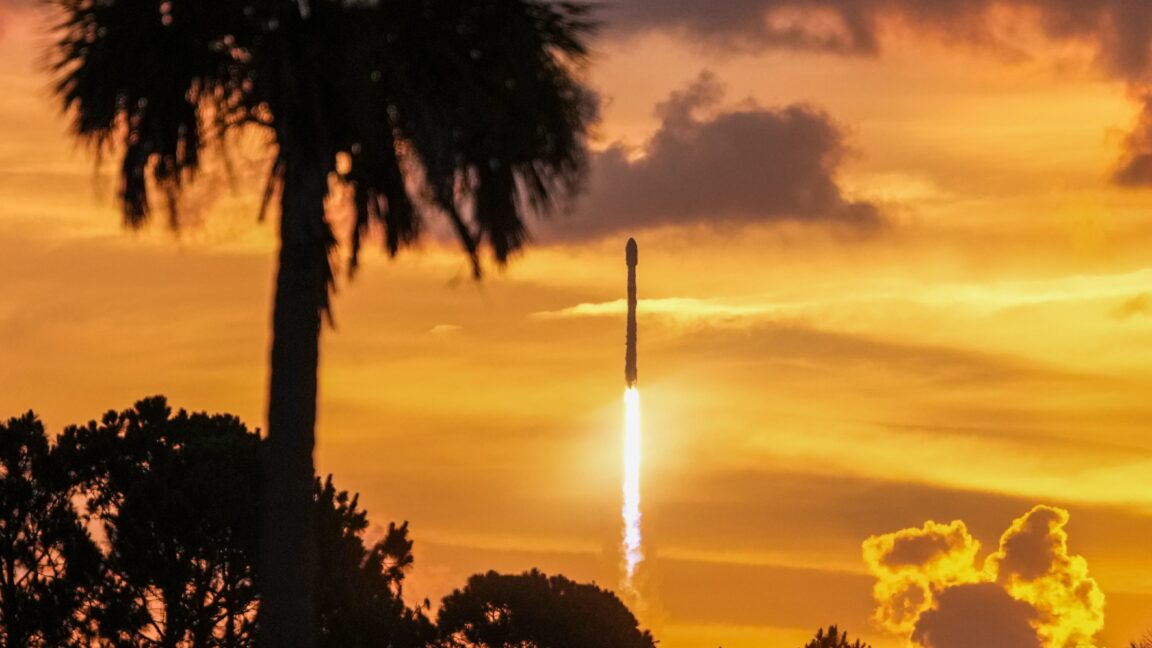
Blue Origin’s New Glenn rocket exploded during a test at Cape Canaveral, severely damaging the launch pad and halting the rocket’s maiden flight. Recovery efforts have begun, but the timeline to bring the pad back online is uncertain. Blue Origin initially targeted late 2026 for resuming launches. Industry insiders now call that overly optimistic. More realistic estimates point to a 12- to 18-month delay before the pad is rebuilt and certified. Meanwhile, NASA is exploring alternatives to keep its lunar missions on schedule. The agency is leaning toward SpaceX’s Falcon Heavy to carry the Blue Moon lander, seeking to avoid further setbacks in the Artemis program.

Canada’s New Spaceport and China’s Rocket Advances

Canada is moving fast to build its own spaceport. The government recently announced funding for the Canso Spaceport in Nova Scotia, aiming to support small satellite launches and nurture a local aerospace industry. Construction should start soon, with initial launches planned within a few years. This push reflects Canada’s desire for sovereign access to space amid growing geopolitical tensions and supply chain worries. The country has long depended on foreign launch providers, but that reliance is shifting. At the same time, China’s rocket program is accelerating. The Long March series has seen several successful flights in 2024, including heavy-lift models designed for lunar and deep-space missions. China’s rapid launch cadence contrasts sharply with delays in some Western programs, highlighting a changing global space dynamic. Together, these moves underscore how national space infrastructure is becoming a strategic priority worldwide.

NASA’s Alternatives and Impulse Space’s Funding

Blue Origin’s mishap forced NASA to rethink its lunar launch strategy. With New Glenn sidelined, the agency is relying more on SpaceX’s Falcon Heavy for the Blue Moon lander. Falcon Heavy is proven and operational, offering a safer bet to avoid schedule slips. Still, depending heavily on one provider tightens NASA’s timeline and raises risks around supply chain resilience. Meanwhile, Impulse Space, a newer private launch company, recently raised $75 million to speed development of small satellite launch vehicles. They aim to offer flexible, cost-effective options for satellite deployment, challenging the dominance of established launch firms. These shifts show an industry balancing big, established players facing setbacks against nimble newcomers backed by fresh capital and innovation. NASA’s choice reveals how reliability trumps ambition when schedules are tight.

Launch Delays and Strategic Industry Moves

Blue Origin’s pad damage disrupts the New Glenn launch schedule. The company’s late-2026 target looks unlikely. Insiders expect at least a year’s delay for repairs and safety checks. This setback tightens competition for launch windows and strains an already stretched supply chain. For NASA, the incident adds urgency to diversify launch partners. The agency’s growing reliance on SpaceX’s Falcon Heavy could reshape procurement and budgets, forcing a rethink of risk and timing. Canada’s spaceport effort signals a shift toward national autonomy in space access. It may attract commercial ventures and foster innovation but also challenges established players to adapt as new regional hubs emerge. Meanwhile, startups like Impulse Space are gaining traction with fresh funding and agile services. Their rise could speed innovation but complicate an already crowded market. Investors and policymakers face tough choices balancing competition with sustainable growth. The space sector is navigating a patchwork of technical setbacks and strategic shifts. How quickly it absorbs these shocks will affect broader exploration goals.
Ссылка на первоисточник
The next chapter in flood resilience: Open sourcing Google’s hydrology framework
Science & Tech

AI Advances in Flood Forecasting

Google’s open-source AI hydrology framework offers customizable flood forecasting powered by LSTM networks. Validated with Czech data, it b…