AI Adoption Among Software Engineers Surges

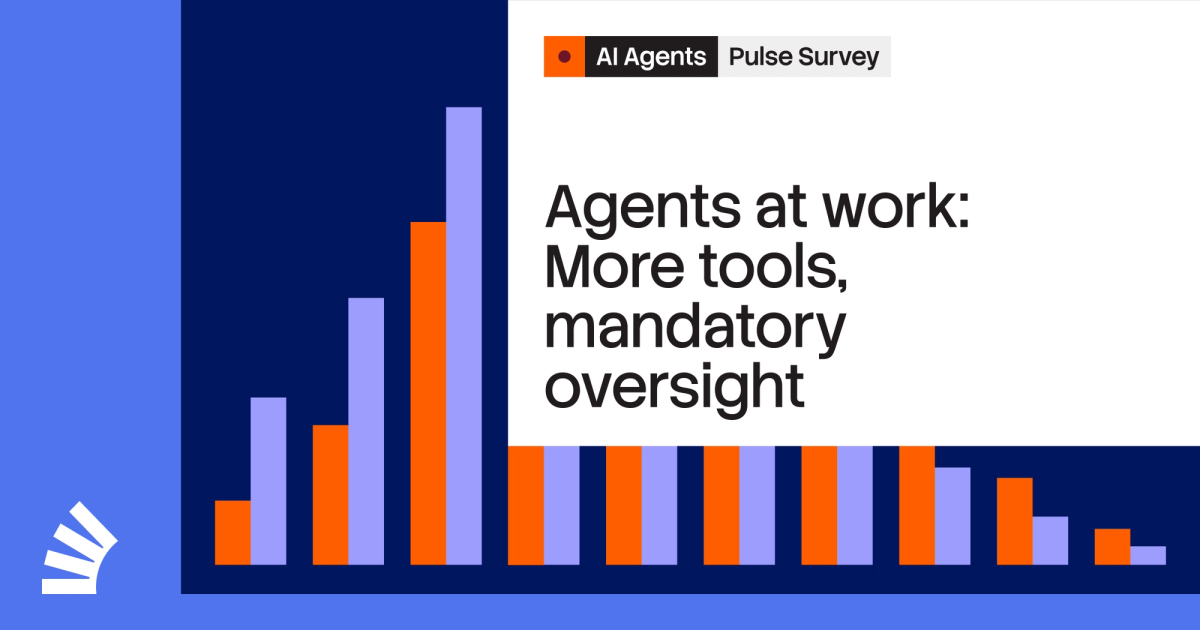
AI adoption among software engineers has surged, nearly doubling to 59% participation, according to Stack Overflow’s latest Pulse Survey. This isn’t just hype—AI is now woven into daily coding and development tasks. But these AI agents aren’t running loose. They mostly function as single units under human supervision. Full autonomy remains rare. Developers still hold the reins, reviewing AI outputs to ensure quality and safety. The picture is clear: AI is an assistant, not a replacement.

Agentic AI Usage Nearly Doubles to 59%

Agentic AI use has jumped sharply, from roughly 30% in previous years to 59% now. The survey, conducted in early 2026, shows engineers increasingly rely on AI tools but keep tight control over their actions. This “agent on a leash” model means AI aids with tasks but never replaces human judgment. The cautious approach reflects concerns about errors, security, and accountability. Confidence in these tools seems to be growing, but full AI autonomy remains rare. The trend favors augmenting human capabilities, not handing over control. AI is becoming mainstream in engineering—but under watchful eyes. This steady, deliberate adoption respects the complexities of software development. It’s not automation for automation’s sake, but measured integration that keeps humans in charge.

Human Oversight Remains Central in AI Integration

The survey paints a consistent picture: AI agents are powerful assistants but firmly supervised. Developers deploy them as single units to help with specific tasks, while retaining final say. This makes sense. Software engineering demands precision. Unchecked AI can introduce bugs or unpredictable behavior. So far, teams keep oversight to safeguard quality and security. AI agents act like specialized helpers—handling suggestions or routine work—but humans still review and decide. This fits current workflows where trust and accountability matter most. The rise in agentic AI use shows growing trust in these tools, but also a clear boundary: AI supports, human experts steer.

Gradual Shift Toward Monitored AI Assistance

Agentic AI is reshaping workflows without handing over control. Developers use AI assistants to speed up routine tasks or generate code snippets, but final decisions remain theirs. This shift offers a practical balance: productivity gains without sacrificing accountability. Yet it also demands new oversight skills—verifying AI outputs, catching errors early, integrating feedback loops. Vendors respond by emphasizing transparency and controllability, promoting “agents on a leash” rather than autonomous systems. This cautious approach may slow the push for full autonomy but fosters trust. Policy discussions will likely focus on standards for AI oversight and responsibility. As AI agents become workplace collaborators, regulators will need to clarify roles without stifling innovation. The story is not AI takeover, but a monitored partnership where human judgment remains essential—for now.

What This Means for Developers and Teams
For developers and teams, the message is clear: AI tools are becoming standard but won’t replace human judgment anytime soon. You’ll guide AI agents rather than hand over control. This approach protects code quality and security. AI speeds up routine work and offers suggestions but doesn’t replace nuanced decision-making. Teams should build processes that combine AI outputs with human review. Collaboration, not automation, is the practical path. Managers should expect AI tools to grow but focus on how they complement expertise. Training developers to understand AI’s limits will be key. The rise of monitored AI assistance is less revolution, more evolution—one that demands vigilance over blind trust.
Ссылка на первоисточник
The next chapter in flood resilience: Open sourcing Google’s hydrology framework
Science & Tech

AI Advances in Flood Forecasting

Google’s open-source AI hydrology framework offers customizable flood forecasting powered by LSTM networks. Validated with Czech data, it b…