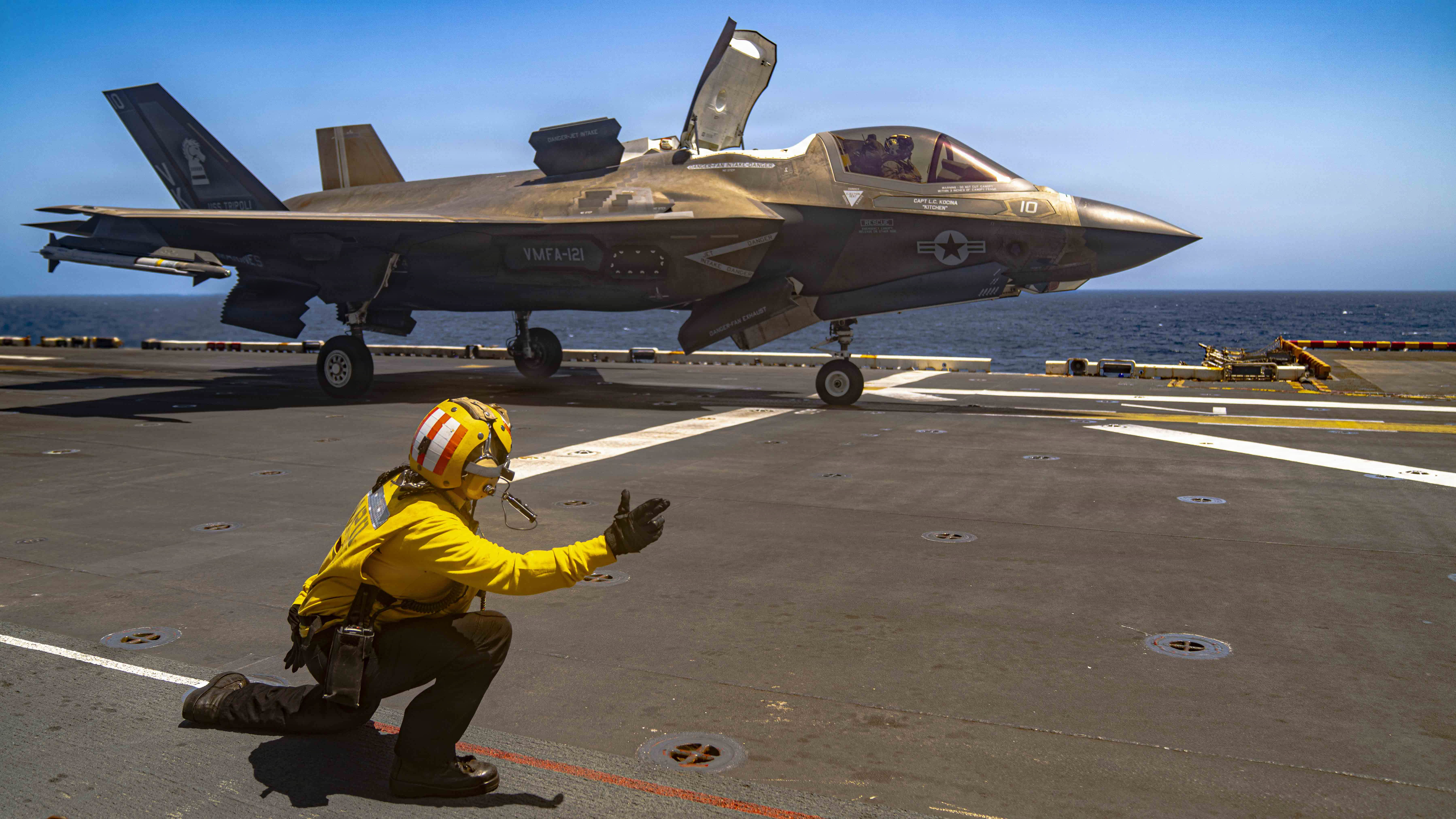
U.S. Strikes in Southern Iran Amid Fragile Ceasefire
The U.S. launched targeted strikes in southern Iran, aiming at missile sites and boats suspected of laying mines near American forces. These actions came amid a declared ceasefire, underscoring how fragile the current security environment remains. Despite diplomatic overtures, the military response signals persistent threats that complicate any notion of stability.
This isn’t a routine escalation; it’s a calculated move framed as self-defense to protect troops on the ground. Yet, it raises questions about the durability of ceasefire agreements when kinetic operations continue. The strikes reveal a volatile undercurrent beneath diplomatic progress, where tactical imperatives collide with strategic goals.
Diplomatic Push for a Comprehensive Peace Deal
Efforts to secure a comprehensive peace deal with Iran have intensified under President Trump’s direction. As of late May 2026, the administration claims the agreement is roughly 95% finalized, signaling advanced progress after months of negotiations. Trump has publicly dismissed any notion of a partial or incremental settlement, insisting on a full, binding accord that addresses the core issues fueling regional instability.
The diplomatic push gained momentum following the recent ceasefire, which itself remains fragile given ongoing military tensions. The White House has engaged directly with Iranian representatives, though details on the negotiation framework remain limited. Reports suggest the deal includes provisions on missile programs, regional proxy activities, and economic sanctions relief—each a contentious point with significant security implications.
Simultaneously, Secretary of State Marco Rubio has emphasized the strategic importance of maintaining open sea lanes through the Strait of Hormuz. This focus reflects concerns that unresolved disputes could jeopardize critical global energy supplies and escalate into broader conflict. The diplomatic efforts, therefore, are not isolated but intertwined with military posturing and regional power dynamics.
Despite the near-completion claim, the complex web of interests—ranging from Tehran’s internal factions to U.S. allies in the Gulf—raises questions about the deal’s durability. The administration’s insistence on a comprehensive resolution leaves little room for incremental trust-building, increasing the risk that unresolved issues could unravel progress. In this context, the diplomatic push stands at a precarious juncture, balancing between breakthrough and breakdown.
Challenges in Regional Normalization Efforts
The notion of a smooth path toward regional normalization, as suggested by ongoing diplomatic overtures, must be tempered by several stubborn realities. First, the ceasefire’s fragility is more than a temporary hiccup—it reflects deep-rooted mistrust among key actors. The U.S. strikes in southern Iran, while framed as defensive, risk provoking retaliatory measures that could unravel tenuous agreements. Military actions and diplomatic talks are unfolding on parallel tracks that don’t always align, increasing the chance of miscalculations.
Second, the so-called “95% completion” of a peace deal belies the complexity of the remaining issues. The last 5% often contains the most contentious points—nuclear program constraints, verification mechanisms, and sanctions relief—each a potential dealbreaker. Without clear, enforceable guarantees, the deal’s durability remains uncertain.
Third, the strategic significance of the Strait of Hormuz adds a volatile dimension. Control over this chokepoint is not just about shipping lanes; it’s a lever of geopolitical influence. Any disruption there could trigger wider regional conflict, complicating normalization efforts. The Abraham Accords, while a diplomatic breakthrough for some Gulf states, do not yet encompass Iran or other influential regional players, limiting their ability to foster comprehensive peace.
Finally, internal political dynamics within Iran and the U.S. inject unpredictability. Hardline factions wary of concessions may undercut diplomatic progress. On the U.S. side, domestic political shifts could alter commitment levels or negotiation stances abruptly. These intersecting constraints suggest that normalization remains a fragile aspiration, vulnerable to setbacks that technical fixes and high-level agreements alone cannot resolve.
Risks and Realities in a Volatile Region
Understanding the current situation demands recognizing that military actions and diplomatic talks are moving on parallel tracks, not converging ones. The U.S. strikes in southern Iran, meant to protect forces from missile and mine threats, underline how tenuous the ceasefire really is. It’s not a stable pause but a fragile balance easily tipped by miscalculations or provocations. Meanwhile, the push for a comprehensive peace deal—though close to completion—doesn’t erase the immediate security risks on the ground.
The Strait of Hormuz remains a critical flashpoint. Its strategic importance for global energy supplies means any disruption there could trigger wider economic and military consequences. The recent confrontations show that even with diplomatic progress, the risk of escalation is high. Normalization efforts in the region, like those inspired by the Abraham Accords, add another layer of complexity, as shifting alliances could provoke backlash from groups opposed to these changes.
For readers tracking these developments, the practical takeaway is clear: stability is fragile and conditional. Military deterrence and diplomatic negotiations coexist uneasily, and neither can guarantee peace on its own. The situation demands constant vigilance, not complacency. Technical precision in assessing these risks helps avoid oversimplification—this is a volatile environment where even well-intended actions carry unpredictable consequences.

Global Digests News delivers timely, credible coverage of world affairs, politics, economy, and technology to keep you informed on today’s top stories.

Blackstone Caps Private Credit Fund Withdrawals at 5% Amid Redemption Surge
Blackstone has capped withdrawals from its $79 billion private credit fund at 5% after investor redemptions hit 10% in Q2, signaling mounti…
Zellers' Ontario Revival and Its Place in Canadian Retail
Zellers is reopening two Ontario stores this summer with a smaller format and broader product mix, blending nostalgia with modern retail ta…
Market Volatility Insight: Rising Risks Beneath the Surface
The S&P 500 index shows low volatility, but individual stocks are experiencing sharp swings. This growing volatility dispersion signals hid…
Political Campaigns and Self-Funding: Insights from Tom Steyer’s Gubernatorial Bid
Tom Steyer poured $216 million of his own money into California’s governor race, setting a record for self-funded campaigns. Yet, despite t…
Economic Impact of the 2026 FIFA World Cup in Canada
Canada will host 13 matches of the 2026 FIFA World Cup in Toronto and Vancouver, with government spending exceeding $1 billion. Economic ga…

May 2026 Job Market Insights
Private payrolls rose by 122,000 in May, the strongest gain since early 2025. Eight of ten sectors expanded, led by education and health se…
Canada’s Economy Faces Mixed Signals Amid Early 2026 Slowdown
Canada’s economy posted two quarters of contraction by early 2026, but this dip stems largely from inventory and trade shifts—not a broad r…
Canada’s Shrinking Workforce: How Demographics and Policy Tighten the Labor Market
Every month, 25,500 Canadians retire, mostly baby boomers, shrinking the labor force faster than population growth. Immigration limits and…