Operation Launch and Military Deployment

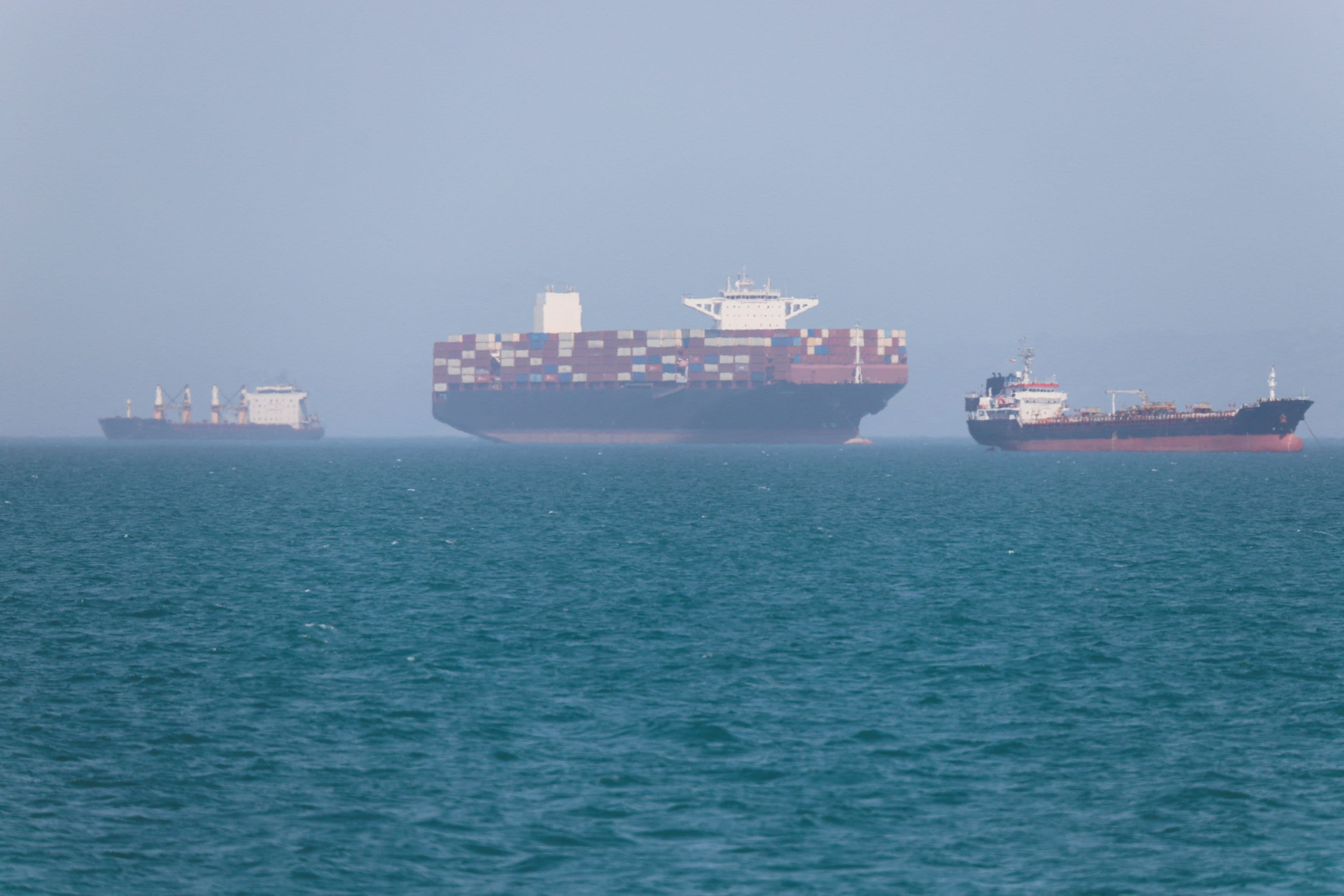
The U.S. kicked off Project Freedom by deploying over 15,000 troops, guided-missile destroyers, and more than 100 aircraft into the Strait of Hormuz. This show of force aimed to reopen the vital shipping lane after Iran’s recent disruptions. Despite the scale, only two U.S.-flagged ships have passed under escort—a sharp drop from the usual 100-plus daily transits before tensions escalated. The operation’s launch was met with immediate Iranian pushback. Within hours, Iran targeted UAE infrastructure and struck a South Korean-operated vessel, signaling their intent to contest the U.S. presence aggressively. Military muscle is on full display, but the absence of a diplomatic framework leaves the mission’s future uncertain.

Iran's Response and Regional Escalation

Iran’s response came swiftly and forcefully. Within hours of the U.S. military’s deployment under Project Freedom, Iranian forces launched missile strikes targeting key infrastructure in the United Arab Emirates. The attacks appeared calibrated to send a clear message: Iran would not yield control of the Strait of Hormuz easily. Simultaneously, Iranian-backed drones attacked a South Korean-operated commercial vessel navigating the strait. The assault underscored Tehran’s readiness to escalate asymmetric tactics, leveraging mines, drones, and cruise missiles to disrupt shipping and raise the costs of maritime transit. This approach complicates U.S. efforts to guarantee safe passage despite the massive military presence. Iran’s moves triggered heightened alert among regional actors, with Gulf states scrambling to bolster defenses amid fears of a wider conflict. The rapid escalation also exposed the limits of a purely military solution. Experts emphasize that these tit-for-tat strikes deepen instability without offering a path toward de-escalation. Despite the U.S. showing force, the Strait’s commercial traffic remains far below normal levels. Insurance premiums for vessels crossing the waterway have surged, reflecting the persistent threat. The ongoing cycle of attacks and countermeasures suggests that without a negotiated agreement addressing sanctions, nuclear activities, and security assurances, the region is locked into a costly stalemate.

Shipping Traffic and Security Challenges

The Strait of Hormuz funnels about 20% of the world’s petroleum through a narrow 21-mile-wide channel. Before the recent conflict, over 100 commercial vessels crossed daily, carrying crude and liquefied natural gas from Gulf producers to global markets. Security here has always been fragile. Iran’s proximity and military capabilities let it wield outsized influence, using mines, fast attack boats, drones, and cruise missiles to threaten shipping lanes. These asymmetric tools push insurance costs up and deter many shippers. Even minor flare-ups can spike global energy prices. The U.S. military’s Project Freedom aims to break this chokehold by escorting commercial vessels and flexing naval power. Yet, despite deploying 15,000 troops, guided-missile destroyers, and over 100 aircraft, only two U.S.-flagged ships have transited under escort. Other commercial traffic remains wary, reflecting deep skepticism about safety without a political resolution. This persistent risk isn’t just a military problem; it’s political. Without addressing Iran’s grievances and regional dynamics, the Strait will stay a flashpoint where commerce and conflict collide.

Limits of Military Action Without Diplomacy

The U.S. military surge sends a clear message but doesn’t resolve the core conflict. Military assets can escort a handful of vessels, but traffic remains a fraction of pre-crisis levels. Commercial shipping hesitates amid soaring insurance premiums and the ongoing threat of Iranian attacks. Global supply chains, especially oil, face continued uncertainty. Without diplomatic channels, policymakers and industry are stuck. Military presence alone can’t guarantee safe passage indefinitely; it risks escalating tensions without offering stability. Sanctions, nuclear enrichment disputes, and regional security concerns all demand negotiation. Without addressing these, the Strait remains a costly flashpoint. Energy companies must prepare for ongoing disruption. The current military posture adds risk and cost but doesn’t remove them. Insurers, shippers, and markets will watch for any diplomatic moves that could ease tensions. Until then, Project Freedom is a costly deterrence exercise with no clear exit.
Ссылка на первоисточник
Daily Money Brief

Pension Security Concerns

Pension holders increasingly doubt the stability of large employers backing their pensions. This growing risk prompts a shift toward safer…