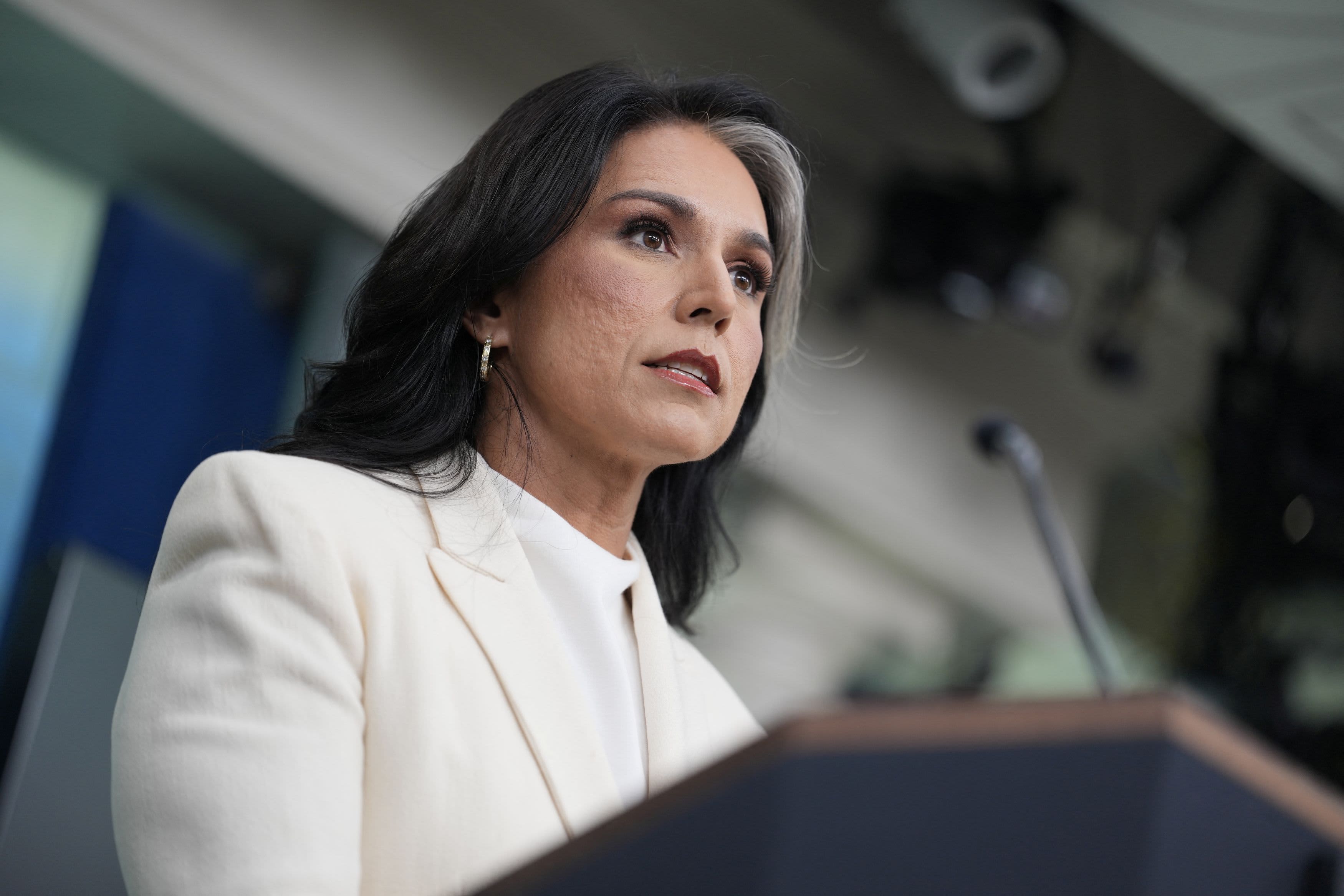
Tulsi Gabbard's Departure from Intelligence Leadership
Tulsi Gabbard’s decision to step down as Director of National Intelligence by June 30 marks a rare personal moment in an otherwise politically charged role. She leaves to support her husband’s fight against a rare bone cancer. But her exit also arrives amid a turbulent tenure filled with political shifts and internal friction.
Her path from Democratic congresswoman to a Republican-aligned intelligence chief was anything but ordinary. Taking the helm shortly after Trump’s second term began, Gabbard navigated a difficult landscape where her foreign policy views—especially on Iran—often clashed with the administration’s mainstream.
With Principal Deputy Director Aaron Lukas stepping in as acting director, her departure highlights the ongoing instability at the top of U.S. intelligence during a sensitive period.
Transition and Internal Dynamics
Gabbard’s resignation triggered a swift leadership shuffle. Announced in late May, her exit gave just over a month for the agency to prepare. Aaron Lukas, a career intelligence official, assumed the role of acting director. His appointment is seen as a steadying hand amid the turbulence.
Her tenure was marked by internal clashes. As a former Democrat turned Republican, she brought a unique perspective that sometimes rubbed against established intelligence norms. Disagreements over foreign policy, particularly regarding Iran sanctions and regional strategy, surfaced repeatedly. These tensions mirrored broader divides within the administration’s worldview.
Her husband’s rare bone cancer diagnosis added a personal urgency to her decision. This human factor complicated an already fraught political environment. Her resignation also came during a wave of Cabinet departures, underscoring persistent instability at the highest levels.
Now, as Lukas takes the reins, questions emerge about how U.S. intelligence operations will steer through this transition. Balancing professional continuity with political pressures will be crucial in the months ahead.
What Gabbard's Resignation Means for the Administration
Gabbard’s departure leaves a leadership gap at a sensitive moment. Lukas steps in as acting director without Senate confirmation, which could slow decision-making or curb bold initiatives. Given the administration’s frequent leadership changes, this interim status adds another layer of uncertainty.
Her tenure spotlighted deep policy rifts. Gabbard’s skepticism toward Iran sanctions, for instance, often put her at odds with colleagues. Her exit may either soften or sharpen these internal debates, depending on Lukas’s approach and the administration’s evolving priorities.
Stable leadership matters in intelligence. Frequent turnover risks eroding trust within agencies and among international partners. For security analysts and markets, this instability could translate into cautious views on U.S. intelligence reliability and foreign policy consistency.
Gabbard’s resignation also fits a pattern of Cabinet churn that complicates long-term planning. Finding a permanent DNI nominee promises to be a politically charged process given the role’s visibility.
In practical terms, expect a pause in major intelligence policy moves and possible shifts in priority alignment. The ripple effects will touch counterterrorism, cyber defense, and diplomatic intelligence efforts. How smoothly Lukas manages this interim period will shape both internal morale and external confidence.
Understanding the Impact on U.S. Intelligence and Politics
Gabbard’s exit isn’t just a personal choice—it sends ripples through intelligence and politics alike. For the public, this means potential shifts in how U.S. intelligence sets priorities, especially on contentious issues like Iran.
Aaron Lukas’s acting directorship signals a pause more than a new direction. Leadership changes at this level bring uncertainty, affecting agency morale and government coordination. Intelligence leadership is never just about data; it’s deeply tied to political currents and personal circumstances.
This moment reveals how fragile the Trump administration’s Cabinet balance remains. Gabbard’s departure adds to a turnover pattern that complicates steady policy execution. The intelligence community now faces the challenge of adapting quickly to maintain effectiveness amid these shifts.
The practical takeaway: changes atop intelligence leadership ripple outward, influencing national security decisions and the broader stability of governance.
Global Digests News delivers timely, credible coverage of world affairs, politics, economy, and technology to keep you informed on today’s top stories.
