Microsoft's Stand on Coordinated Vulnerability Disclosure
Microsoft has drawn a hard line against recent public disclosures of zero-day Windows vulnerabilities. The company calls these releases reckless, arguing they put users at unnecessary risk. Coordinated vulnerability disclosure (CVD) isn’t mere bureaucracy—it’s a practical method to manage security flaws by giving vendors time to patch before details go public.
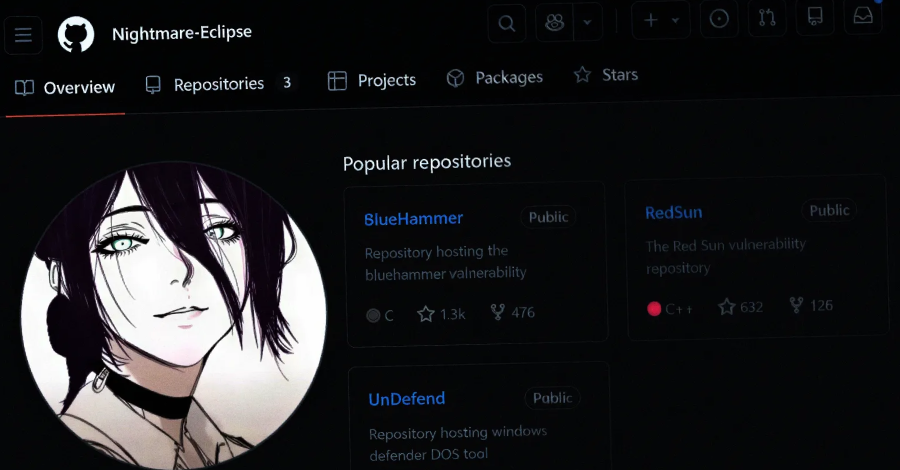
The controversy centers on three zero-days—BlueHammer, RedSun, and UnDefend—revealed without warning. Microsoft says some were already exploited in the wild, making premature exposure especially dangerous. The fallout escalated when the researcher behind these disclosures had their GitHub account removed, highlighting the fragile trust between researchers and vendors. Microsoft insists that collaboration and transparent communication remain essential to defend users in a hostile cyber environment.
Recent Zero-Day Disclosures Stir Controversy
In early May 2026, zero-day vulnerabilities targeting Windows emerged publicly without any heads-up to Microsoft. BlueHammer, RedSun, and UnDefend each carried active exploitation potential, exposing millions before patches existed. Microsoft’s response was swift and critical.
The company accused the researchers of sidestepping established CVD protocols by releasing flaws and proof-of-concept code openly. This, Microsoft argued, handed attackers a blueprint for breaches while defenders scrambled. The situation worsened when GitHub removed the researcher’s account, a move Microsoft framed as necessary to curb harm. Some in the security community saw this as punitive, underscoring the tension between openness and control.
This incident underscores the ongoing struggle: public disclosures can spur faster fixes but also invite immediate attacks. Microsoft’s stance reaffirms that trust and cooperation remain central to effective security, even if recent events reveal how easily that trust can fracture.
The Role of CVD in Security Management
Coordinated Vulnerability Disclosure is the backbone of modern security. It’s a process where researchers and vendors collaborate to identify, analyze, and patch vulnerabilities before they become public. The idea: fix quietly, then disclose once users are safe. This shrinks the window attackers can exploit.
Without CVD, leaks can happen prematurely—through public posts or exploit releases—exposing users. That’s what Microsoft warns about with these recent Windows zero-days. Public details before patches give attackers a roadmap; defenders are left racing to catch up.
CVD demands trust and communication. Researchers share findings responsibly; vendors respond promptly. When either side falters—whether a researcher goes public too soon or a vendor stalls—the whole system weakens. Microsoft’s frustration isn’t about spoilers alone. It’s about real risk when CVD breaks down, as seen with the researcher’s GitHub account removal. Despite flaws, CVD remains the best tool to balance transparency with security in today’s complex threat landscape.
Risks and Calls for Collaboration
This dispute goes beyond clashing egos. When vulnerabilities hit the public without warning, defenders rush to patch while attackers gain an advantage. That gap can lead to data breaches, ransomware, or system-wide compromise. For Windows users—especially enterprises and critical infrastructure—the stakes are high.
Microsoft’s sharp critique highlights a persistent cybersecurity tension: transparency versus responsible disclosure. Researchers argue public pressure speeds fixes and warns users. Microsoft counters that exposing exploits before patches exist gives attackers a dangerous edge. This dynamic strains trust and cooperation—both vital for timely vulnerability management.
The researcher’s GitHub removal illustrates how fragile these relationships are. Managing vulnerabilities isn’t just technical; it’s social and political. Without clear norms, premature disclosures and vendor backlash risk repeating, leaving users vulnerable.
For the industry, this episode reinforces the importance of strong CVD frameworks. They provide a buffer for vendors to fix flaws while researchers share findings responsibly. But these frameworks only work if everyone commits. Microsoft’s call for collaboration is practical: without it, exposure widens and risks ripple through users, businesses, and the digital economy.
Global Digests News delivers timely, credible coverage of world affairs, politics, economy, and technology to keep you informed on today’s top stories.