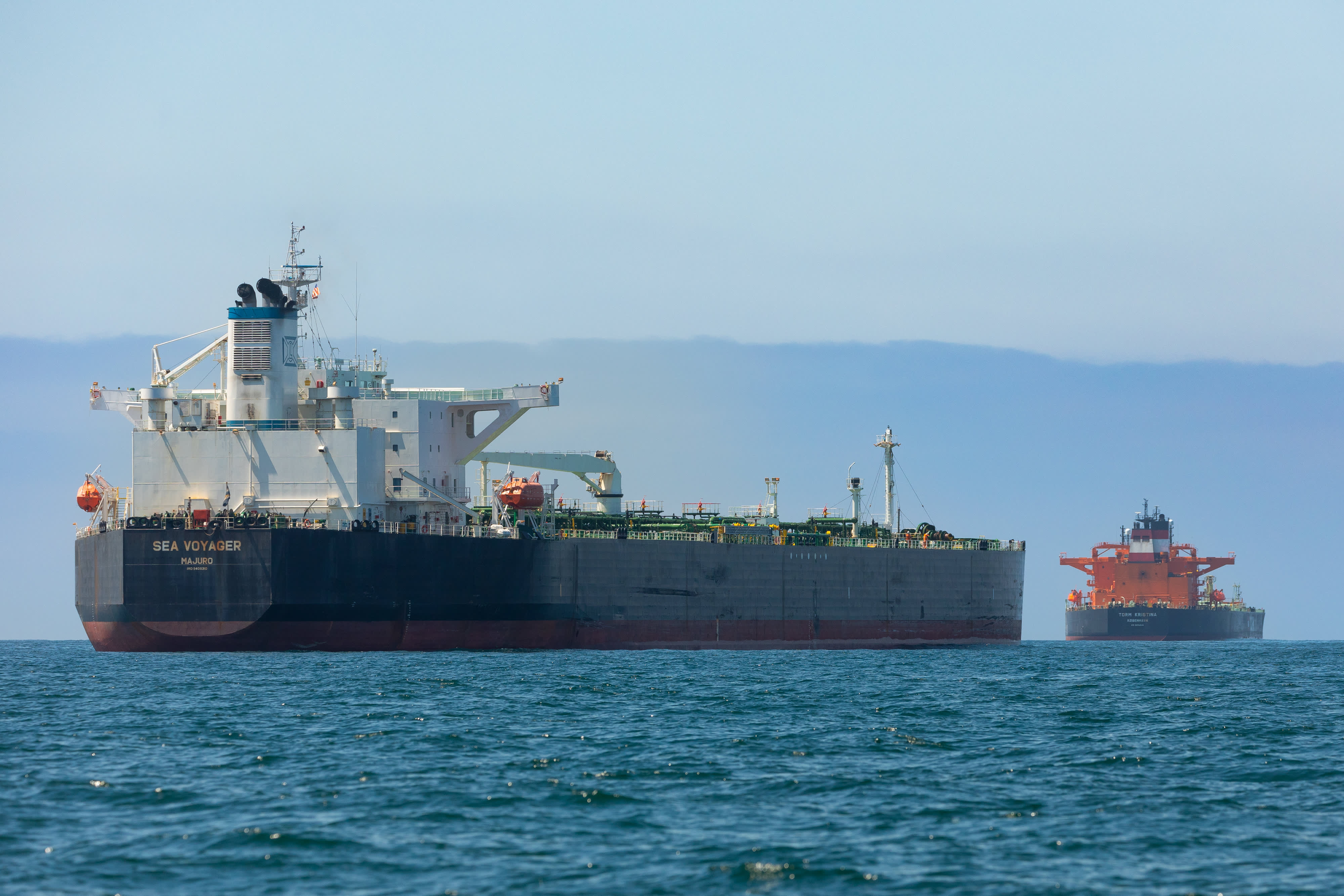
Sharp Oil Price Drop Amid Iran-U.S. Talks
Oil prices plunged nearly 7% after President Trump signaled tentative progress in talks with Iran aimed at ending hostilities and reopening the Strait of Hormuz. This narrow waterway channels roughly one-fifth of the world’s oil shipments, making its operational status a critical factor in global energy markets. The sharp drop reflects immediate market relief from the threat of disrupted supply lines that have roiled prices in recent months.
Yet the talks remain fragile. While the prospect of easing tensions lowers the premium built into oil prices, the timeline for any lasting agreement is unclear. Trump’s warning that military action could resume if diplomacy fails keeps a shadow over the market. The Strait’s strategic importance means even minor escalations could quickly reverse price gains, underscoring lingering risks despite today’s optimism.
Progress and Risks in Strait of Hormuz Negotiations
The tentative peace talks between Iran and the U.S. have injected fresh momentum into a conflict long defined by volatility, especially around the Strait of Hormuz. On May 23, President Trump publicly acknowledged ongoing negotiations aimed at de-escalating tensions and reopening this critical maritime corridor. This strait accounts for roughly 20% of the world’s oil shipments, making its accessibility a linchpin for global energy markets.
Following these signals, oil prices plunged about 7%, reflecting immediate market optimism. Yet, the path to a durable agreement remains anything but certain. The talks are still in early stages, with no firm timeline established for resolution. Both sides have expressed cautious willingness, but the underlying strategic distrust persists.
The Strait of Hormuz itself has been a flashpoint, with recent months marked by intermittent blockades and military posturing. Iran’s control over this narrow channel gives it leverage, but also exposes it to significant international pressure. The U.S. has maintained a naval presence aimed at ensuring free passage, underscoring the risk that any breakdown in talks could swiftly escalate into renewed conflict.
President Trump’s warning that military action could resume if negotiations fail adds a layer of unpredictability. The market’s sharp reaction to tentative progress reveals how sensitive oil prices remain to geopolitical signals. While reopening the strait would relieve immediate supply chain pressures, the fragility of the situation means risks are far from eliminated.
In this context, the current diplomatic engagement is more a pause than a resolution. The market’s relief is real but tempered by the knowledge that any misstep or breakdown could trigger rapid reversals. The Strait of Hormuz remains a strategic chokepoint where political calculations and military capabilities intersect, keeping global energy flows—and prices—on a knife’s edge.
Uncertainties and Military Risks Remain
The recent dip in oil prices, while notable, should not be mistaken for a definitive shift toward stability. The Strait of Hormuz remains a highly volatile flashpoint despite tentative diplomatic overtures. Its narrow geography—just 21 miles wide at its narrowest—and the sheer volume of oil passing through daily make it a strategic chokehold that any disruption could instantly rattle global markets. Even with talks underway, the risk of miscalculation or escalation persists. Iran’s military capabilities in the region, including fast-attack boats and missile systems, continue to pose a credible threat to commercial shipping. Meanwhile, the U.S. military presence, designed to secure freedom of navigation, also carries the inherent risk of unintended clashes.
The timeline for a durable agreement is unclear. Diplomatic progress often faces setbacks, and the complex interplay of regional alliances and domestic political pressures on both sides could unravel any fragile consensus. Moreover, sanctions relief or changes in enforcement remain contentious topics that could stall negotiations or provoke retaliatory moves. Market participants should note that oil price volatility has historically been sensitive not only to actual disruptions but to perceived risks, which can flare up rapidly with shifts in rhetoric or incidents at sea.
In short, while the immediate price drop reflects optimism, it masks persistent uncertainties. The Strait’s strategic significance and the unresolved military tensions mean that any reprieve in oil market volatility may be temporary. A careful watch on both diplomatic signals and military posturing remains essential to gauge whether this moment of calm will hold or give way to renewed instability.
What This Means for Markets and Supply Chains
The recent dip in oil prices reflects a market caught between cautious optimism and persistent uncertainty. While tentative talks between Iran and the U.S. have eased immediate fears of disruption through the Strait of Hormuz, the world’s most critical oil transit route, the underlying risks have not vanished. About one-fifth of global oil shipments pass through this narrow waterway, making any instability here a potent trigger for price swings and supply shocks.
For supply chains, this means a temporary reprieve rather than a clear path forward. Companies reliant on steady crude shipments can breathe easier for now, but the specter of renewed conflict or sudden blockades remains a real threat. Oil traders and logistics planners must continue to factor in geopolitical volatility, as the fragile nature of these negotiations leaves room for rapid reversals.
Markets are pricing in the possibility of a deal but remain alert to President Trump’s warning that military options remain on the table should talks falter. This duality keeps the landscape highly fluid. For businesses and consumers, the takeaway is that oil price stability hinges not just on diplomatic progress but on sustained, verifiable de-escalation in the region. Until then, supply chains and pricing will likely experience bouts of volatility aligned with political developments.