Intel’s Market Surge Amid AI and Foundry Shifts

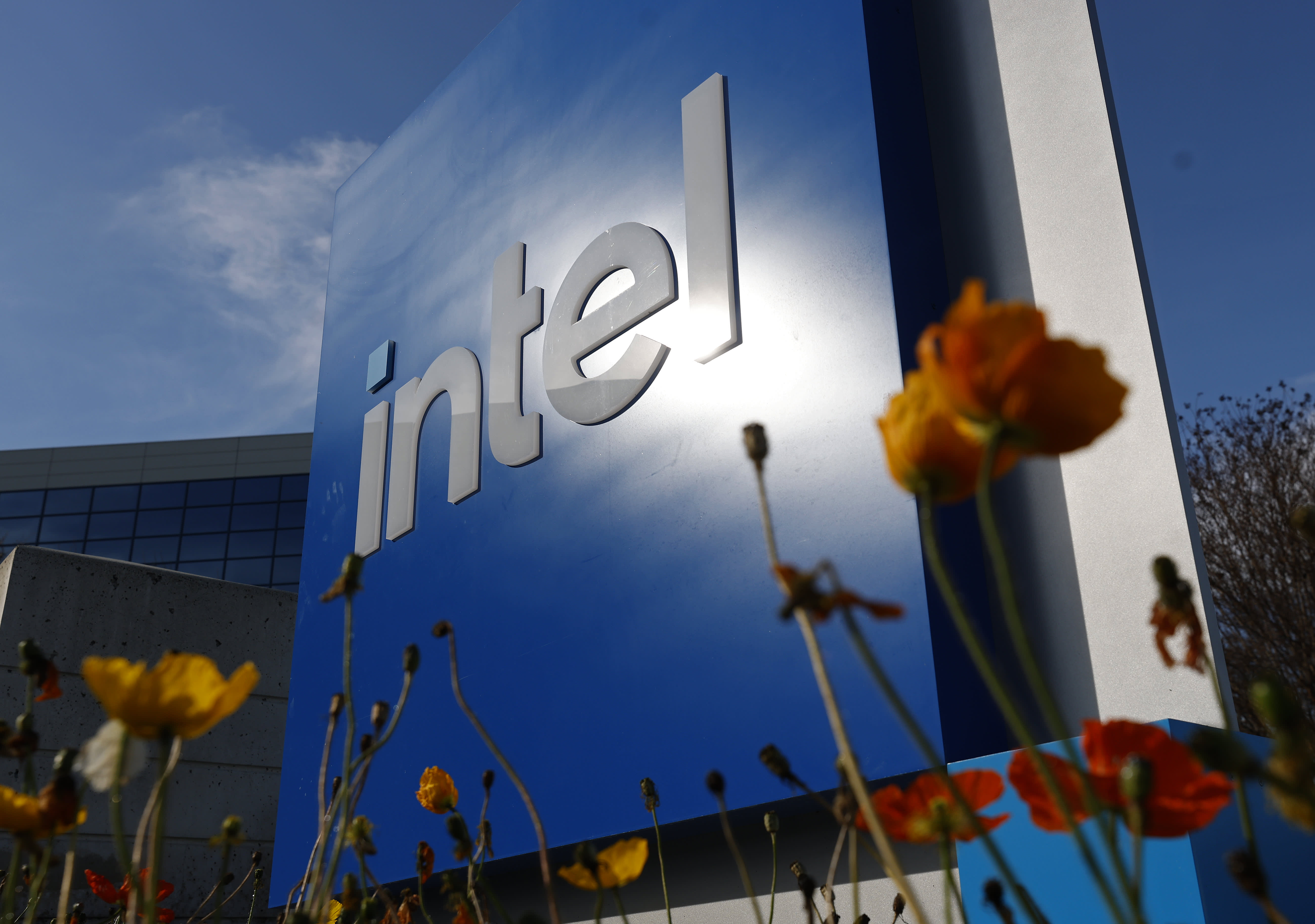
Intel’s stock surged 13% in a single day, capping a remarkable 114% rally in April alone. This isn’t just market noise—it signals a decisive shift as Intel repositions itself at the core of AI infrastructure and U.S. semiconductor manufacturing. The company’s momentum comes from a mix of strategic partnerships and government support: its alliance with Google, the Terafab project tied to Elon Musk, and the buyback of its Fab 34 fabrication plant. Together, these moves suggest Intel is stepping out from the shadows of its rivals and reclaiming a vital role in chipmaking. What’s driving this surge isn’t hype alone. The U.S. government’s 10% stake in Intel, worth nearly $9 billion, combined with Nvidia’s $5 billion investment, provides a financial cushion that enables Intel to pursue long-delayed manufacturing projects. CEO Lip-Bu Tan recently reframed CPUs as the “indispensable foundation of the AI era,” challenging the GPU-dominated narrative that sidelined Intel in AI discussions. Now, all eyes are on ongoing talks with Apple. Should those talks lead to Intel producing chips for the tech giant, it would anchor Intel’s foundry business for years and likely trigger another wave of investor enthusiasm.

Key Moves: Google, Musk, Apple, and Government Support

Intel’s recent surge rests on a series of strategic moves reshaping its position in semiconductors and AI. The partnership with Google sends a clear message: Intel is serious about AI infrastructure. This alliance, announced earlier this year, leverages Intel’s chip manufacturing to support Google’s expanding AI workloads, lending fresh credibility to Intel’s foundry ambitions. Then there’s the Terafab project, a collaboration involving Elon Musk’s ventures, adding technological muscle and capital. Though details remain sparse, Terafab aims to accelerate advanced chip fabrication, potentially leapfrogging rivals in process technology. Musk’s involvement brings both funding and a high-profile endorsement, speeding Intel’s push into next-generation manufacturing. Intel’s buyback of Fab 34 signals a renewed commitment to in-house production after years of outsourcing. This move is about more than capacity—it’s about control and innovation at Intel’s core. The timing is critical, given global supply chain pressures and geopolitical tensions that have made domestic production a national priority. Government backing has been decisive. The U.S. government’s 10% stake, valued at $8.9 billion, alongside Nvidia’s $5 billion investment, creates a financial foundation that mitigates risk and empowers Intel to pursue long-delayed projects. This support aligns with broader policy goals to secure domestic semiconductor supply chains. The most tantalizing development remains the rumored talks with Apple. While nothing is finalized, even early discussions about Apple shifting some chip production to Intel could be transformative. Apple’s reliance on TSMC has long anchored that foundry’s dominance; a partial pivot would not only bolster Intel’s foundry business but also signal a major vote of confidence from one of tech’s most demanding customers. CEO Lip-Bu Tan’s framing of CPUs as the “indispensable foundation of the AI era” challenges the prevailing GPU-centric narrative. This repositioning underscores Intel’s belief that its core processor technology remains vital to AI’s future—a message resonating strongly with investors and partners alike. The key question now: will these talks with Apple lead to a binding agreement? The answer could trigger another wave of investor enthusiasm and reshape Intel’s semiconductor trajectory.

What Intel’s AI Pivot Means for Investors and Industry

Intel’s renewed focus on AI and manufacturing isn’t just a company story—it’s reshaping the competitive landscape and investment calculus in real time. For investors, the stakes are clear: Intel’s ability to secure and expand partnerships with giants like Google and potentially Apple could redefine its revenue and market position for years. The rumored Apple discussions could shift the foundry landscape away from entrenched leaders like TSMC, injecting fresh momentum into Intel’s manufacturing ambitions and validating its strategic pivot. From an industry standpoint, Intel’s moves signal a broader realignment in semiconductor supply chains, especially within the U.S. The government’s sizeable financial commitment is more than a subsidy; it’s a strategic bet on domestic chip production as a national priority. This backing could accelerate Intel’s capacity expansion and technological progress but also raises questions about how quickly Intel can turn capital into competitive chips amid fierce global competition. Execution risk remains high. Intel’s stock surge shows optimism, but the company must deliver—scaling foundry operations, meeting AI infrastructure demands, and converting high-profile talks into contracts. Failure could stall the rally just as fast. Success, however, could reset expectations for what a legacy chipmaker can achieve in the AI era. Intel’s pivot is a live experiment with high stakes for investors, industry players, and policymakers alike. It challenges long-standing narratives about semiconductor leadership and spotlights the complex interplay between innovation, policy, and market confidence.

Navigating Intel’s Emerging Role in AI Infrastructure

Intel’s recent moves aren’t corporate chess—they signal a serious claim in AI’s hardware future. For investors and tech watchers, the takeaway is simple: Intel is no longer a legacy chipmaker resting on past glories. Its partnerships with Google and Elon Musk’s Terafab, combined with potential Apple foundry deals, position it as a key AI supply chain player. Government backing adds rare stability in a volatile sector. This means Intel’s stock surge is more than a spike—it reflects tangible shifts in market dynamics and manufacturing capacity. If you’re considering exposure to AI infrastructure through semiconductors, Intel’s evolving story demands attention—not just for what it is now, but for the foothold it’s carving out in a space long dominated by others. The critical question remains: will these partnerships translate into sustained growth, or is the market getting ahead of itself? Either way, Intel’s trajectory offers a concrete case study in how strategic alignment with emerging tech trends can reshape a company’s prospects.
Ссылка на первоисточник
Daily Money Brief

Pension Security Concerns

Pension holders increasingly doubt the stability of large employers backing their pensions. This growing risk prompts a shift toward safer…