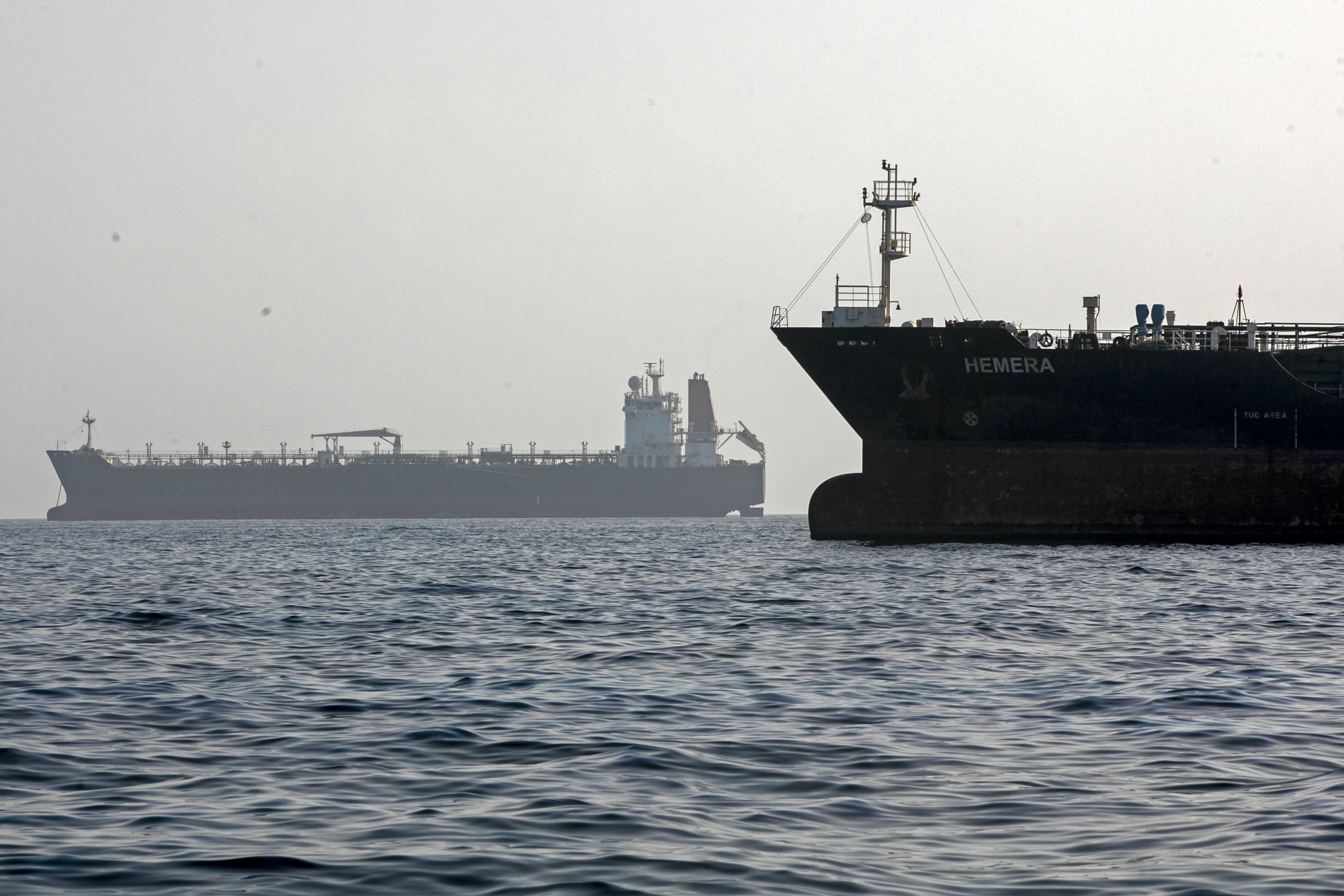
Trump’s Peace Deal Announcement
President Trump announced a peace deal with Iran is nearly finalized, centered on reopening the Strait of Hormuz. This comes amid global energy disruptions and rising inflation in the U.S., making the potential agreement highly consequential.
But the situation is far from settled. Iran denies any deal is complete and insists on keeping control over this strategic waterway. Key issues like Iran’s nuclear program and enriched uranium stockpile remain unresolved. The announcement sets the stage for tense negotiations, where trust is scarce and the geopolitical landscape is volatile.
Unresolved Issues and Iranian Response
Despite Trump’s announcement, major sticking points remain. The nuclear program, especially Iran’s enriched uranium stockpile, is a core dispute. The U.S. demands strict limits and verification; Iran resists terms that would severely restrict its nuclear capabilities.
Tehran has been cautious but firm, denying any finalized deal and emphasizing ongoing talks. Crucially, Iran insists on sovereign control over the Strait of Hormuz. This waterway is a chokepoint for global oil shipments and a vital national interest. The U.S. proposal for free passage is seen by Iran as infringing on its sovereignty.
Tensions in the region have not eased. Diplomatic channels remain open but strained. Both sides test the limits of compromise, aware that any misstep could reignite conflict. This standoff shows how fragile the situation remains despite optimistic public statements.
Impact on Global Energy and Inflation
The Strait of Hormuz isn’t just a narrow channel; it’s a critical artery for global oil—about 20% of the world’s petroleum passes through it. Disruptions there ripple through energy markets immediately. So, the near-final peace deal signals a potential easing of risk. If it holds, oil supply could stabilize, reducing the price swings that have rattled markets amid recent tensions.
For consumers, this might mean some relief at the pump, especially in oil-importing countries. Inflation, stubborn partly due to energy costs, could slow modestly. Energy prices affect transportation, manufacturing, and food costs, so a steadier supply chain might ease inflationary pressures.
But this isn’t guaranteed. Unresolved nuclear and sovereignty issues cast a long shadow. Energy companies and investors will watch closely. A lasting agreement could encourage investment in the region, unlocking production and transit routes now fraught with risk. Conversely, a deal collapse or delay could reignite fears of supply shocks, pushing prices—and inflation—higher. Policymakers face a delicate balance: support diplomacy while preparing for volatility.
In short, the deal’s impact on energy markets and inflation is real but fragile. The stakes are high, and the path forward is uncertain.
What This Means Going Forward
The headline about a near-final peace deal sounds promising, but the reality is more tangled. For those tracking energy prices or geopolitical risks, it’s crucial to remember the deal isn’t sealed. Key issues—Iran’s nuclear ambitions and control over the Strait of Hormuz—are unresolved. That means market volatility may persist, and diplomatic progress could stall or reverse.
If you’re making decisions based on this story—in investments, policy, or business—treat the announcement with caution. Tehran’s signals suggest skepticism, and regional tensions remain high. Any shift could come suddenly. The potential easing of oil flow disruptions and inflation pressures depends heavily on how negotiations unfold in the coming weeks.
This story demands close attention, not premature bets. Headlines promise hope, but the details counsel restraint.
Global Digests News delivers timely, credible coverage of world affairs, politics, economy, and technology to keep you informed on today’s top stories.
