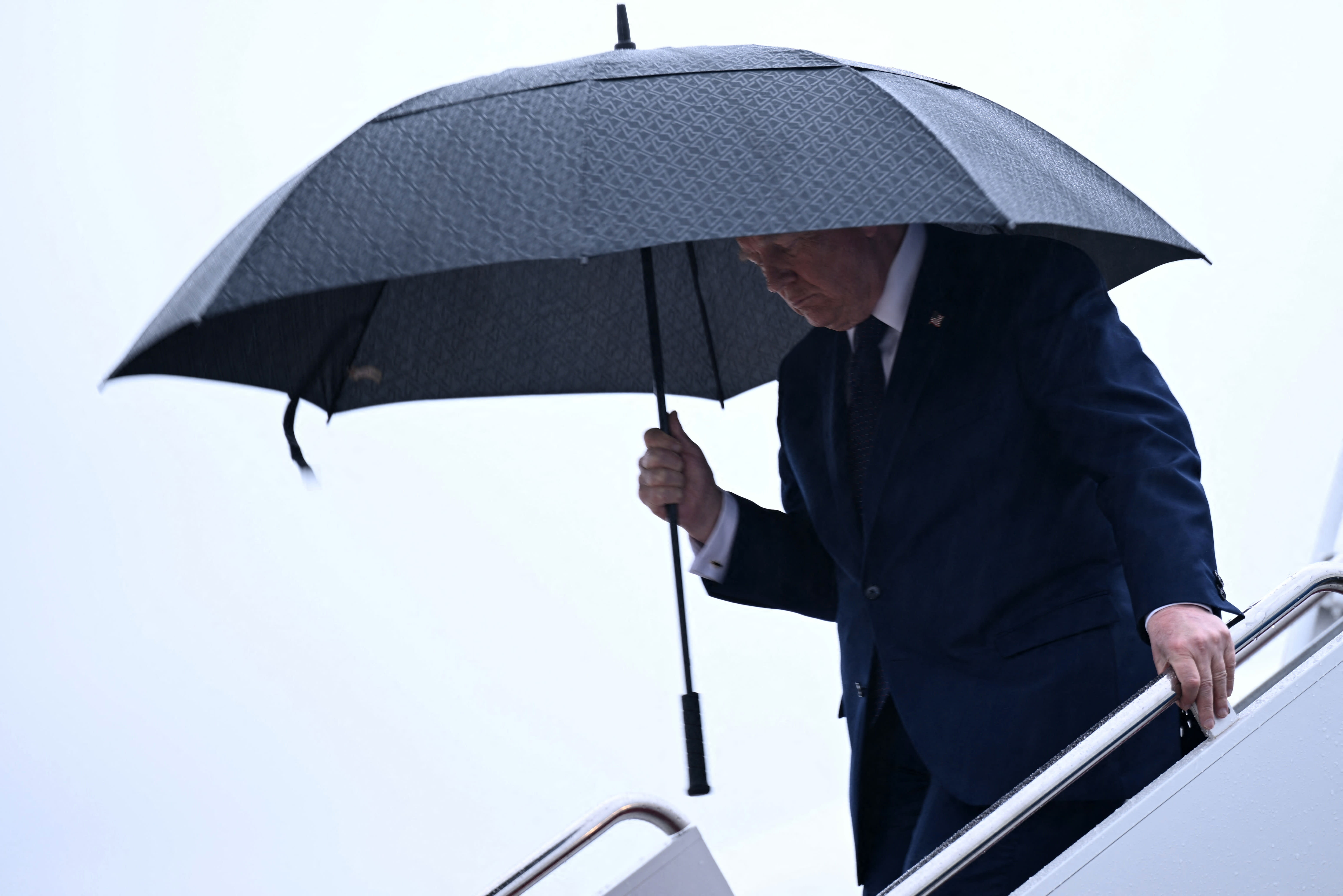
Trump’s Update on Iran Negotiations

President Donald Trump has described ongoing negotiations with Iran as “orderly and constructive,” signaling cautious optimism about steps toward ending hostilities and reopening the Strait of Hormuz. His directive to avoid rushing the process reflects a deliberate effort to prevent premature concessions that could destabilize the region. Key issues reportedly include halting military conflict, lifting the naval blockade restricting maritime traffic, and unfreezing Iranian financial assets. Meanwhile, discussions on Iran’s nuclear program continue, with the U.S. maintaining a firm stance against any development of nuclear weapons. The lack of detailed public disclosures on timelines and enforcement leaves significant uncertainty. The stakes are high: any miscalculation could ripple through global energy markets and regional security.

Current Terms on the Table

Negotiators have outlined several pivotal terms shaping the current phase of talks. Both sides appear tentatively aligned on ending active hostilities and lifting the naval blockade that has constrained shipping through the Strait of Hormuz—a vital artery for global oil flows. Financial considerations focus on unfreezing Iranian assets frozen by international sanctions, a move intended to provide Tehran with economic relief. However, questions linger about how and when compliance will be verified to prevent misuse. The most complex issue remains Iran’s nuclear program. The U.S. insists on preventing weaponization, but specifics on monitoring and enforcement remain fluid. Proposals include expanded inspections and limits on uranium enrichment, yet these details are still in flux. President Trump’s emphasis on patience suggests negotiators are cautious about rushing into agreements without robust verification and phased implementation plans. The emerging terms reflect a delicate balance: addressing immediate security concerns while leaving room for further dialogue on longer-term challenges. Each concession carries risks that could derail progress if not carefully managed.

Risks in the Ongoing Talks

The negotiation framework, while promising, is riddled with potential pitfalls. Lifting the naval blockade and unfreezing assets are designed to build goodwill but risk appearing as premature concessions without firm guarantees on Iran’s nuclear intentions. Verification mechanisms remain vaguely defined, raising doubts about enforcement reliability. Without transparent, robust inspection protocols, the risk of non-compliance looms large. Geopolitical volatility around the Strait of Hormuz further complicates matters. Regional actors outside the talks could influence outcomes through proxy actions or sudden escalations, undermining any agreement’s stability. The emphasis on patience also highlights the danger of negotiation fatigue or external shocks disrupting progress before a deal is finalized. Finally, the evolving terms—especially on Iran’s nuclear program—leave room for ambiguity. Strategic vagueness now could translate into loopholes later, making it hard to gauge whether these talks will produce lasting risk reduction or merely a temporary pause in hostilities.

What to Watch in the Iran Talks

The critical takeaway is to focus on concrete negotiation details rather than optimistic statements. Halting hostilities, lifting the naval blockade, and unfreezing assets each have direct implications for global energy security and regional stability. Patience is warranted; rushing risks superficial deals that unravel or leave critical loopholes—particularly around nuclear oversight. The U.S. insistence that Iran’s nuclear program remains peaceful is non-negotiable, but enforcing this will require technically robust monitoring. Investors and policymakers should watch how enforcement and verification are addressed. Unfreezing assets without clear safeguards risks empowering Tehran prematurely. Similarly, reopening the Strait of Hormuz depends not only on formal agreements but on tangible security improvements and trust-building on the ground. Progress hinges on operational details behind the headlines. Given the fluid nature of talks, risks remain elevated—from potential deal failure to premature assumptions of success. Staying grounded in what is agreed, and how it will be implemented, is essential for assessing the geopolitical and economic fallout.
Ссылка на первоисточник
Private payrolls grew by 122,000 in May, stronger than expected, ADP reports
Daily Money Brief

May 2026 Job Market Insights

Private payrolls rose by 122,000 in May, the strongest gain since early 2025. Eight of ten sectors expanded, led by education and health se…