Exposed AWS GovCloud Credentials on GitHub
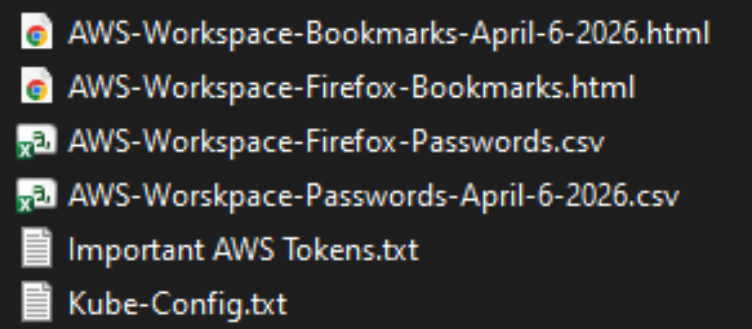
A contractor’s GitHub repository named “Private-CISA” contained exposed AWS GovCloud credentials and internal passwords for more than six months. These weren’t just trivial leaks; the repository held plaintext admin keys, tokens, and passwords that could grant deep access into CISA’s cloud infrastructure. Even more alarming, GitHub’s automated secret scanning was disabled, allowing this sensitive data to remain public and unflagged for half a year.
This isn’t a minor slip. The compromised credentials potentially opened doors to critical CISA systems and development environments, increasing the risk of unauthorized access or manipulation. The presence of weak, guessable passwords alongside high-level keys points to systemic lapses in credential management and security hygiene within an agency charged with protecting national infrastructure.
Scope and Details of the Data Leak
The leak traces back to a single GitHub repository named "Private-CISA," maintained by a contractor working with the Cybersecurity and Infrastructure Security Agency. Over a period exceeding six months, this repository publicly hosted a trove of sensitive information—most notably, AWS GovCloud credentials, including plaintext passwords, administrative tokens, and keys that effectively grant high-level access to CISA's cloud infrastructure.
These credentials were not hidden or encrypted. They sat exposed in plain text, accessible to anyone who stumbled upon or searched for the repository. Compounding the issue, GitHub’s automated secret scanning features, designed to flag such leaks, were deliberately disabled for this repository. This oversight removed a critical safety net that might have detected and alerted the agency much earlier.
Among the exposed data were passwords that security experts later deemed easily guessable, indicating weak credential management practices. The leaked keys potentially allowed access to core CISA systems and software development environments, presenting a significant risk if malicious actors had exploited them.
The timeline reveals that the exposure began in late 2025 and persisted until it was discovered and publicly reported in May 2026. During this interval, no confirmed unauthorized access has been disclosed by CISA, but the prolonged nature of the leak and the sensitivity of the compromised credentials underscore a serious lapse in operational security protocols.
This incident spotlights the risks inherent in contractor-managed repositories and the critical need for continuous monitoring and strict enforcement of security policies—especially when dealing with government cloud environments that host sensitive infrastructure data.
CISA's Response and Ongoing Investigation
CISA’s public statements emphasize that no confirmed breach or misuse of the exposed credentials has been detected so far. Yet, this assurance must be weighed carefully. The absence of detected compromise does not equate to a guarantee of safety—especially given the six-month window during which these secrets were openly accessible. Attackers could have harvested credentials and remained dormant or used them in ways that evade current detection methods.
The investigation also faces inherent constraints. Attribution in cybersecurity incidents is notoriously difficult; without clear indicators of exploitation, it’s challenging to distinguish between attempted and successful intrusions. Moreover, CISA’s reliance on contractor-managed repositories introduces a layer of complexity around accountability and oversight. How these credentials ended up in a public GitHub repository despite established security protocols points to systemic weaknesses rather than isolated human error.
Another nuance lies in the technical environment itself. AWS GovCloud is designed to meet stringent compliance requirements, but the leak reveals that even cloud platforms with robust security features are vulnerable when operational discipline slips. The disabling of GitHub’s secret scanning tools, for instance, suggests lapses in process enforcement or awareness that automated defenses alone cannot prevent.
Finally, the ongoing nature of the response means that risk assessments remain fluid. Additional exposures or related vulnerabilities could surface as forensic analysis deepens. While CISA is implementing enhanced safeguards, the incident underscores a persistent tension in cybersecurity: balancing rapid development and access needs against rigorous control and monitoring. This case serves as a stark reminder that even top-tier agencies must continuously scrutinize their risk management frameworks to preempt such lapses.
Lessons on Credential Management and Cybersecurity Controls
The CISA data leak underscores a fundamental truth: even top-tier cybersecurity agencies can stumble on basic credential hygiene. Leaving AWS GovCloud admin keys and plaintext passwords exposed on a public platform for half a year isn’t just a slip—it’s a glaring failure in access control and operational security protocols. Disabling GitHub’s built-in secret scanning only deepened the risk, effectively blinding the team to the leak as it unfolded.
This incident reveals how critical it is to enforce strict credential management policies. Passwords must be complex, rotated regularly, and never stored in code repositories, especially public ones. Automated detection tools should never be turned off without a compelling, well-justified reason—and if they are, compensating controls must immediately kick in.
Moreover, the breach highlights the dangers of over-reliance on contractors without rigorous oversight. Access permissions should be tightly scoped and continuously reviewed. The principle of least privilege isn’t just best practice; it’s essential to contain damage when inevitable human error occurs.
For organizations beyond government agencies, the lesson is clear: audits of credential storage practices, combined with enforcing multi-factor authentication and continuous monitoring, can dramatically reduce exposure. The CISA case is a cautionary tale about complacency in cybersecurity controls—where even a single exposed key can jeopardize entire systems.