
Altcoins Positioned for 2026 Growth

Chainlink and Render have shifted from niche projects to essential infrastructure in their respective domains. Chainlink’s oracle network now plays a crucial role as smart contracts demand reliable, real-world data. With blockchain ecosystems splintering and financial institutions pushing asset tokenization, Chainlink’s ability to bridge on-chain and off-chain information has never been more valuable. Meanwhile, Render taps into the surging need for decentralized GPU power, supporting AI workloads that traditional cloud providers struggle to scale efficiently. Its model lets users lease computing resources, aligning perfectly with AI’s ballooning infrastructure demands. These developments have positioned both tokens not just as speculative bets but as functional assets tied to expanding, concrete use cases in finance and AI.

Chainlink’s Oracle Edge and Render’s GPU Network

Chainlink has steadily reinforced its position as the go-to oracle network, bridging smart contracts with real-world data since its launch in 2017. Its architecture relies on decentralized oracles that fetch and verify external information—like market prices, weather data, or event outcomes—before feeding it into blockchain applications. This mechanism is crucial as smart contracts become more complex and reliant on accurate, tamper-proof inputs. In recent years, Chainlink expanded its services beyond price feeds. It now supports cross-chain interoperability and verifiable randomness, enabling a wider array of decentralized applications (dApps). The network’s upgrade path includes the introduction of the Cross-Chain Interoperability Protocol (CCIP), aiming to streamline communication across multiple blockchains. This development directly addresses fragmentation in the blockchain ecosystem, a growing challenge as new chains emerge. Render, on the other hand, tackles a different bottleneck: decentralized GPU computing power for AI workloads. Since its inception, the Render Network has allowed users to share underutilized GPUs, creating a distributed cloud infrastructure tailored to graphics rendering and AI model training. This peer-to-peer setup cuts costs and increases access compared to centralized cloud providers. The network’s token economics incentivize GPU owners to rent out their resources, while developers tap into affordable, scalable computing power. Render’s growth has paralleled the surge in AI applications requiring heavy computation, from neural network training to real-time graphics generation. Its decentralized model also offers resilience against single points of failure common in centralized data centers. Both projects have seen notable milestones in 2025 and early 2026. Chainlink’s integration with major DeFi platforms and institutional-grade tokenization projects underscores its expanding footprint. Meanwhile, Render’s partnerships with AI startups and the launch of new GPU rental marketplaces highlight its rising relevance in the AI infrastructure space. Their trajectories reveal a shared theme: addressing critical infrastructure gaps—Chainlink in reliable data delivery, Render in accessible computing power. Each token’s utility hinges on sustained adoption within these foundational roles.

Why These Tokens Matter in Finance and AI

Chainlink and Render aren’t just another pair of altcoins chasing speculative hype. They serve distinct, foundational roles in two rapidly evolving tech arenas—finance and artificial intelligence. Chainlink acts as a bridge between blockchain smart contracts and real-world data. Without reliable oracles like Chainlink, smart contracts can’t execute based on external events—think price feeds, weather data, or market indicators. This is crucial as more financial institutions tokenize assets and deploy decentralized finance (DeFi) solutions across fragmented blockchain ecosystems. Chainlink’s ability to securely and accurately feed data underpins trust and functionality in these complex networks. Render, on the other hand, addresses a bottleneck in decentralized AI computing. AI workloads demand massive GPU power, which centralized cloud providers supply but often at high cost and limited transparency. Render offers a decentralized network where users can rent out GPU resources, creating a marketplace for AI computing power that’s more scalable and cost-effective. This model aligns with the surge in AI development and deployment, potentially decentralizing the infrastructure that powers machine learning and rendering tasks. Both tokens gain significance because they solve real infrastructure challenges. Chainlink’s oracle network is a backbone for smart contracts to interact meaningfully with the outside world. Render’s GPU marketplace tackles the growing need for accessible, distributed AI computing. Their value and adoption hinge on how quickly these underlying sectors—DeFi and AI—mature and integrate these capabilities. Understanding this context clarifies why these tokens are more than just speculative assets; they’re integral to the evolving architecture of finance and AI systems.

Potential Impact on Blockchain and AI Infrastructure

The intersection of Chainlink and Render with blockchain and AI infrastructure signals a shift in how decentralized systems handle complexity and scale. Chainlink’s role as an oracle isn’t just about feeding smart contracts data; it’s about bridging isolated blockchain silos with real-world information. As tokenized assets proliferate and DeFi platforms multiply, the demand for reliable, tamper-proof external data grows. This elevates Chainlink from a niche service to a foundational layer in decentralized finance, where any disruption or failure to scale could ripple across multiple networks and applications. Render tackles a bottleneck in decentralized AI: access to affordable, distributed GPU power. Traditional cloud providers dominate AI training and inference today, but centralized control raises costs and risks. Render’s decentralized model offers a marketplace where idle GPUs find purpose and AI developers gain flexible compute without locking into big vendors. This could democratize AI innovation, allowing smaller players to compete and collaborate more effectively. However, widespread adoption depends on network reliability, latency, and security — factors that remain under scrutiny. For investors and developers, these tokens represent more than speculative assets; they’re bets on infrastructure layers critical to blockchain’s future and AI’s decentralization. Chainlink’s oracle network underpins trust and interoperability, while Render’s GPU sharing could reshape AI workloads. Both face challenges: regulatory scrutiny, competition, and technical hurdles in scaling. Yet their trajectories highlight a trend — the fusion of blockchain and AI infrastructures is no longer theoretical but an unfolding reality with tangible market stakes.

Monitoring Adoption Trends and Token Utility

Adoption signals for Chainlink and Render will hinge on concrete milestones rather than hype. For Chainlink, watch for increased integration with major financial platforms and new partnerships that expand its oracle network beyond DeFi into traditional asset tokenization. The fragmentation of blockchain ecosystems demands reliable data feeds, so any uptick in cross-chain oracle deployments will be telling. Also, monitoring on-chain activity—such as the volume of smart contracts reliant on Chainlink’s data—can offer early insight into real-world usage versus speculative interest. Render’s trajectory depends heavily on the AI sector’s appetite for decentralized GPU resources. The token’s utility will track closely with the number of active nodes and the volume of computing tasks processed through its network. Key indicators include onboarding of enterprise AI projects and collaborations with AI startups that need scalable, cost-effective rendering power. Render’s challenge is proving consistent demand beyond niche creative markets. So, growth in its developer ecosystem and the emergence of applications that rely on decentralized compute rather than centralized cloud providers will be critical. Both tokens face a test of sustained utility amid a competitive landscape. Market cap and price moves alone won’t reveal the full picture. Instead, adoption trends, network health metrics, and real-world use cases will be more reliable barometers. Observers should keep an eye on quarterly updates from the respective projects and independent analytics tracking oracle queries and GPU task volumes. These data points will clarify whether Chainlink and Render can maintain their roles as foundational infrastructure in the evolving blockchain and AI ecosystems—or if they risk being overtaken by emerging alternatives.
Ссылка на первоисточник
Daily Money Brief

Rivian Expands with Affordable R2 SUV

Rivian’s new R2 SUV aims to break into a broader, price-sensitive market. CEO RJ Scaringe warns against rivals’ costly mistakes as the comp…

Daily Money Brief

FDI Surges to $232 Billion in 2025

Foreign direct investment in the US jumped nearly 50% in 2025, reaching $232.2 billion. Japan led the charge, pouring $50.5 billion into mo…

Daily Money Brief

Inflation Update: May 2024

May’s inflation jumped 0.5% from April and 4.2% year-over-year, driven by surging energy prices amid Middle East tensions. This spike compl…
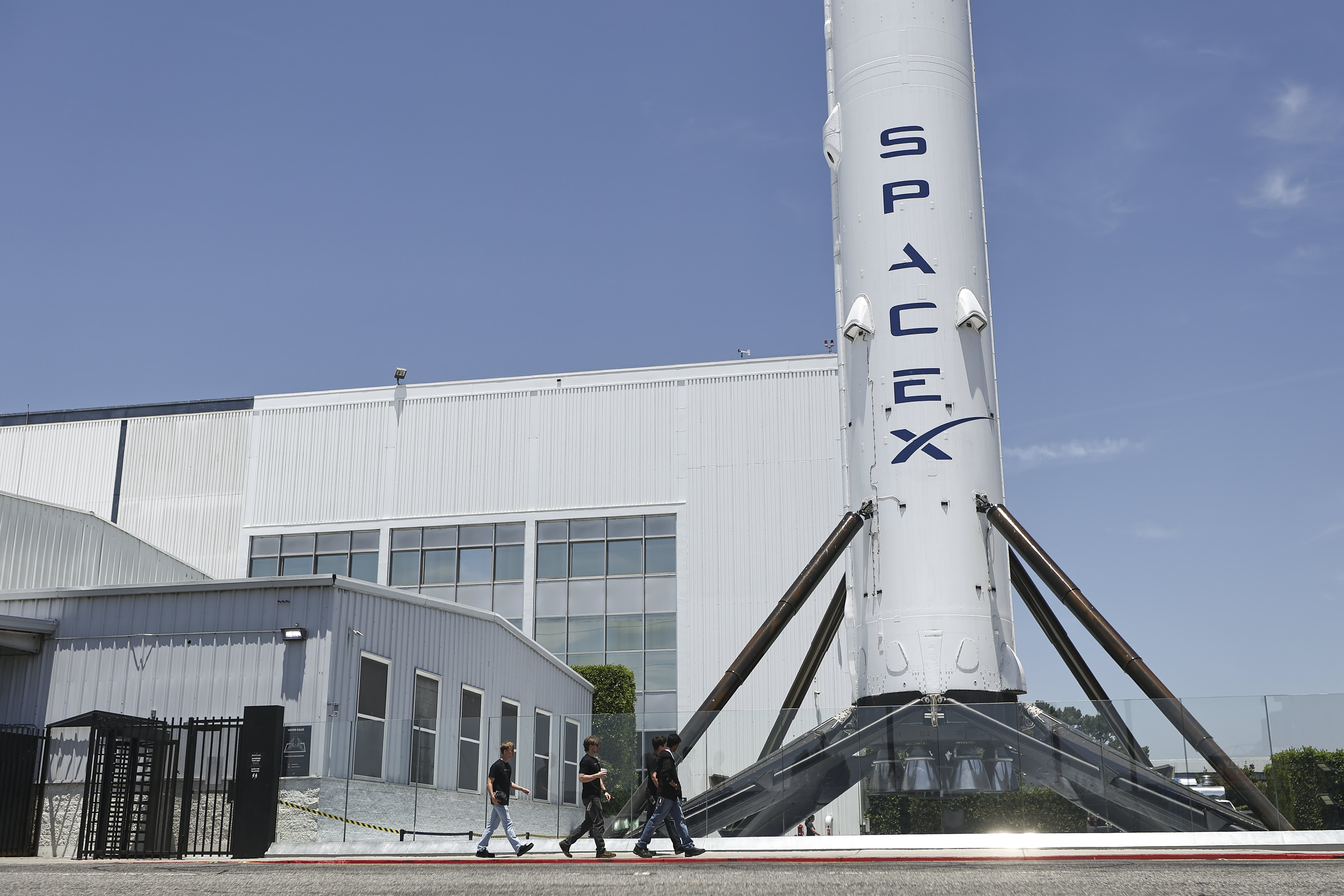
Options volume in space stocks boomed as investors look for any way 'to get long SpaceX'
Daily Money Brief

Market Buzz Ahead of SpaceX IPO

Investors are chasing exposure to SpaceX ahead of its IPO by trading options in proxy space stocks like EchoStar and AST SpaceMobile. This…

Social Security COLA for 2027 may jump to 4.7%, one estimate finds. This chart shows prices driving the increase
Daily Money Brief

Social Security COLA Projections for 2027

Independent analyses forecast a 3.8% to 4.7% Social Security COLA increase for 2027, driven by volatile energy inflation. Yet the CPI-W bas…